Test News Article
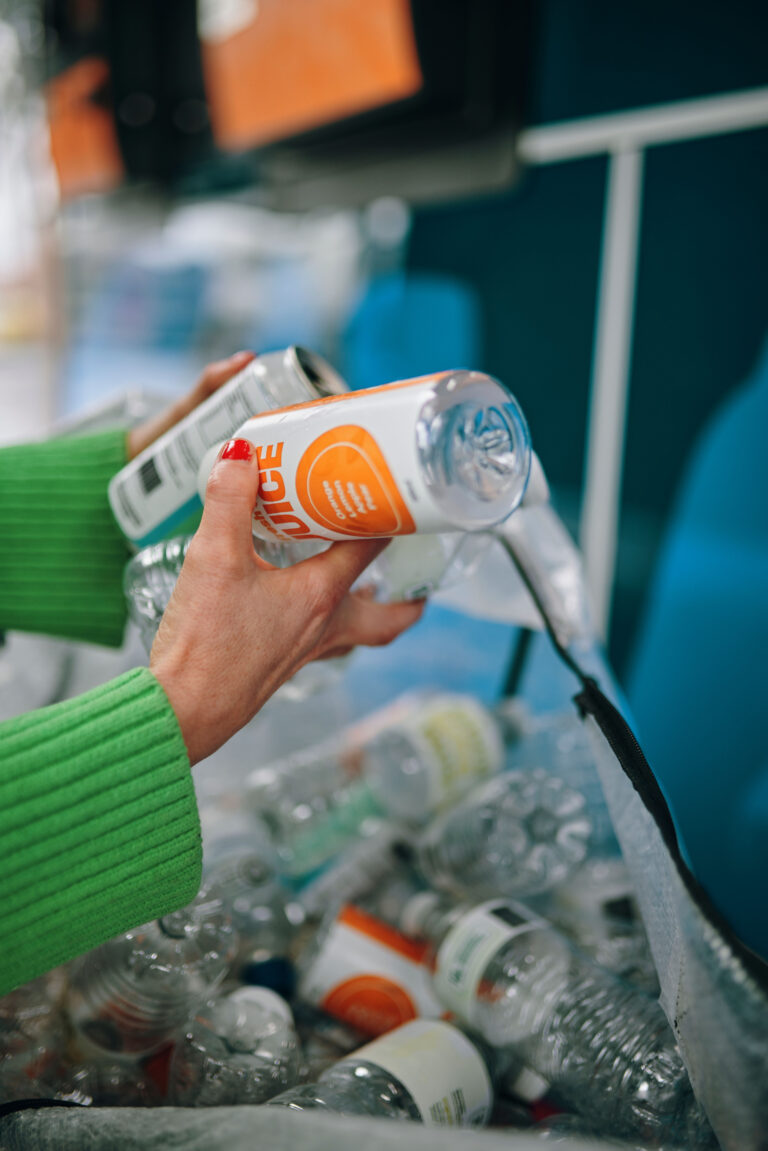
Since launch, millions of containers have been returned through refund points across Victoria. This effort has diverted tonnes of waste from landfill, supporting a more sustainable future.
Editor Info
If your article includes a video, screenshot a frame from the video and upload it as the Featured Image. The Featured Image will not appear on the article page, but it will display on news cards and other article listings throughout the site.
(Videos are not supported in news cards.)
This message will self destruct in 5 seconds.
(not really, but you can safely ignore or delete it and publish your article, it will not appear in the published version)
“Every container recycled is a step toward a cleaner Victoria. We’re proud to see communities embracing the scheme.”
John Smith
Stakeholder, Vic Return
A Year of Impact
Vic Return’s Container Deposit Scheme continues to grow, delivering environmental wins and stronger community engagement.
Since launch, millions of containers have been returned through refund points across Victoria. This effort has diverted tonnes of waste from landfill, supporting a more sustainable future.
The Container Deposit Scheme (CDS) has quickly become one of Victoria’s most effective environmental initiatives, transforming the way households, businesses, and communities think about recycling. Every container returned represents more than just a refund — it’s a direct contribution to reducing waste in landfill, cutting down on litter, and creating cleaner streets, parks, and waterways. With millions of bottles and cans already processed since launch, the scheme continues to exceed expectations in both environmental impact and community participation.
Community Engagement
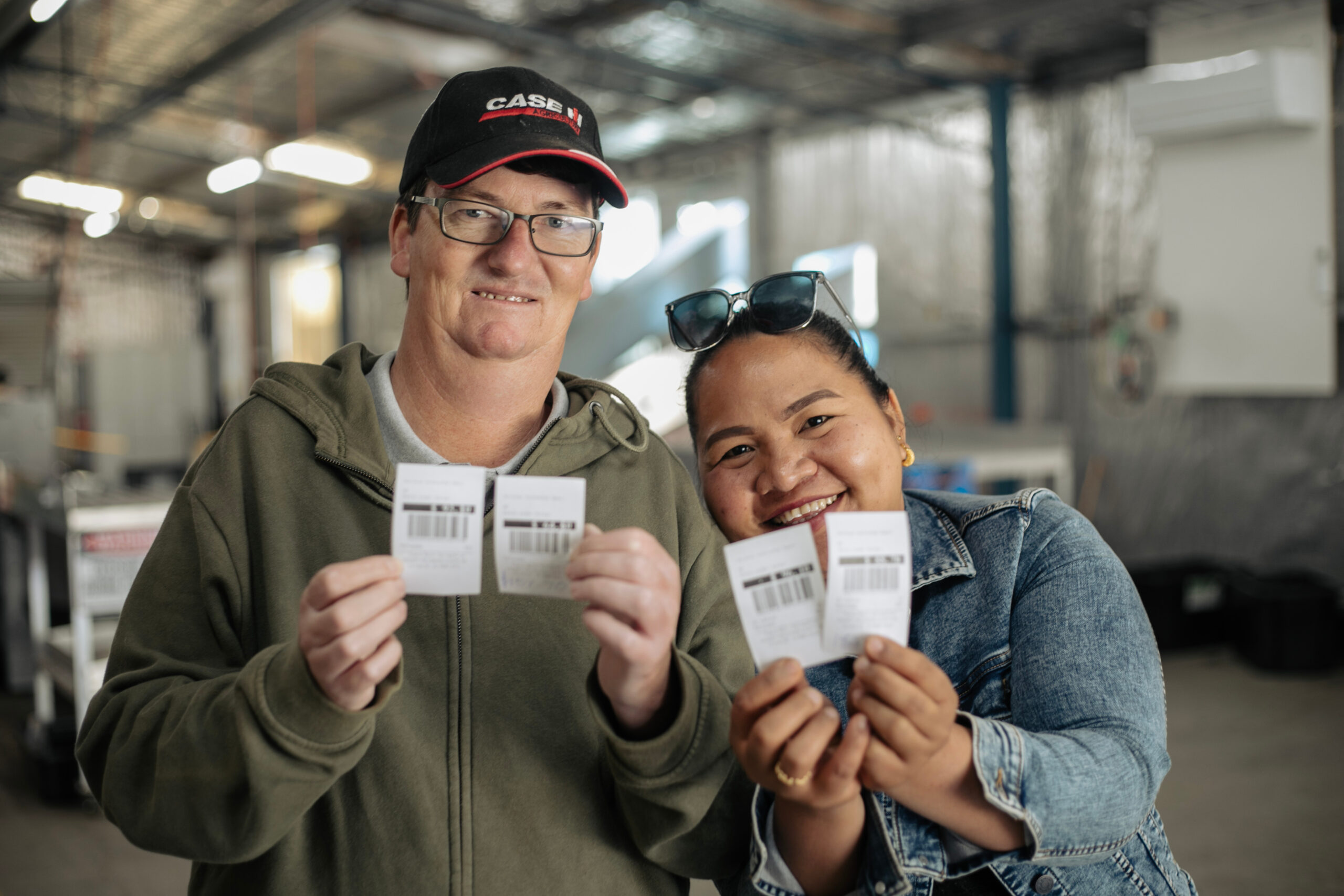
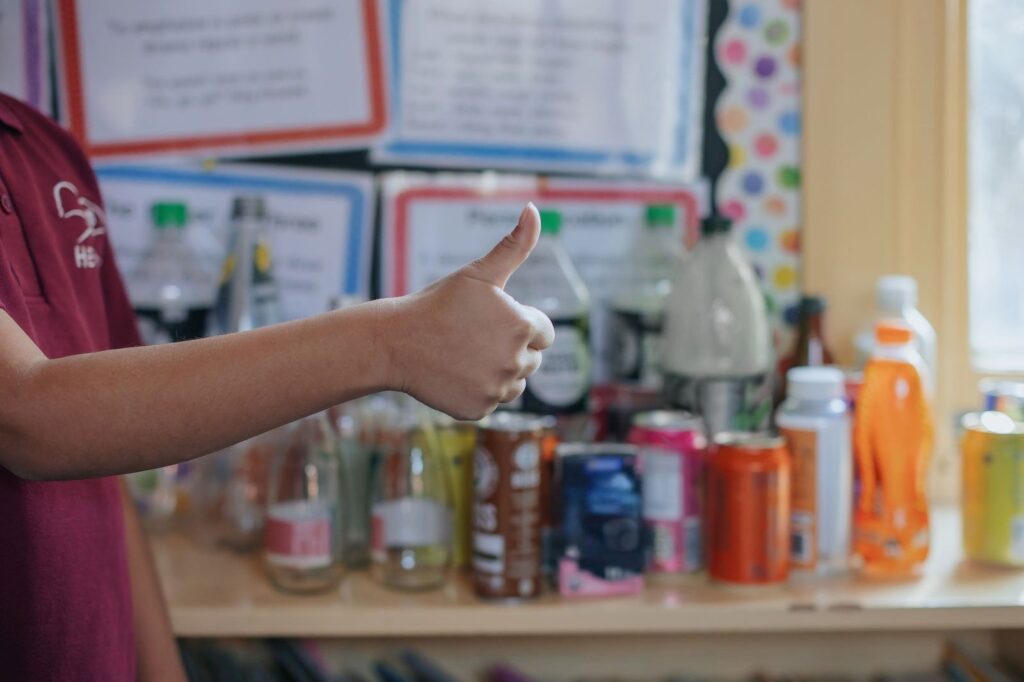
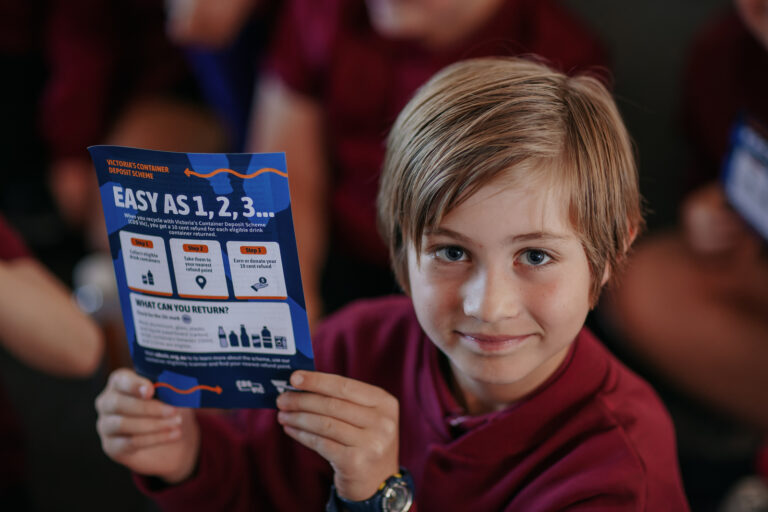
Local schools, sporting clubs, and charities are increasingly using the scheme to raise funds while protecting the environment. Community-led participation remains a cornerstone of the program’s ongoing success.
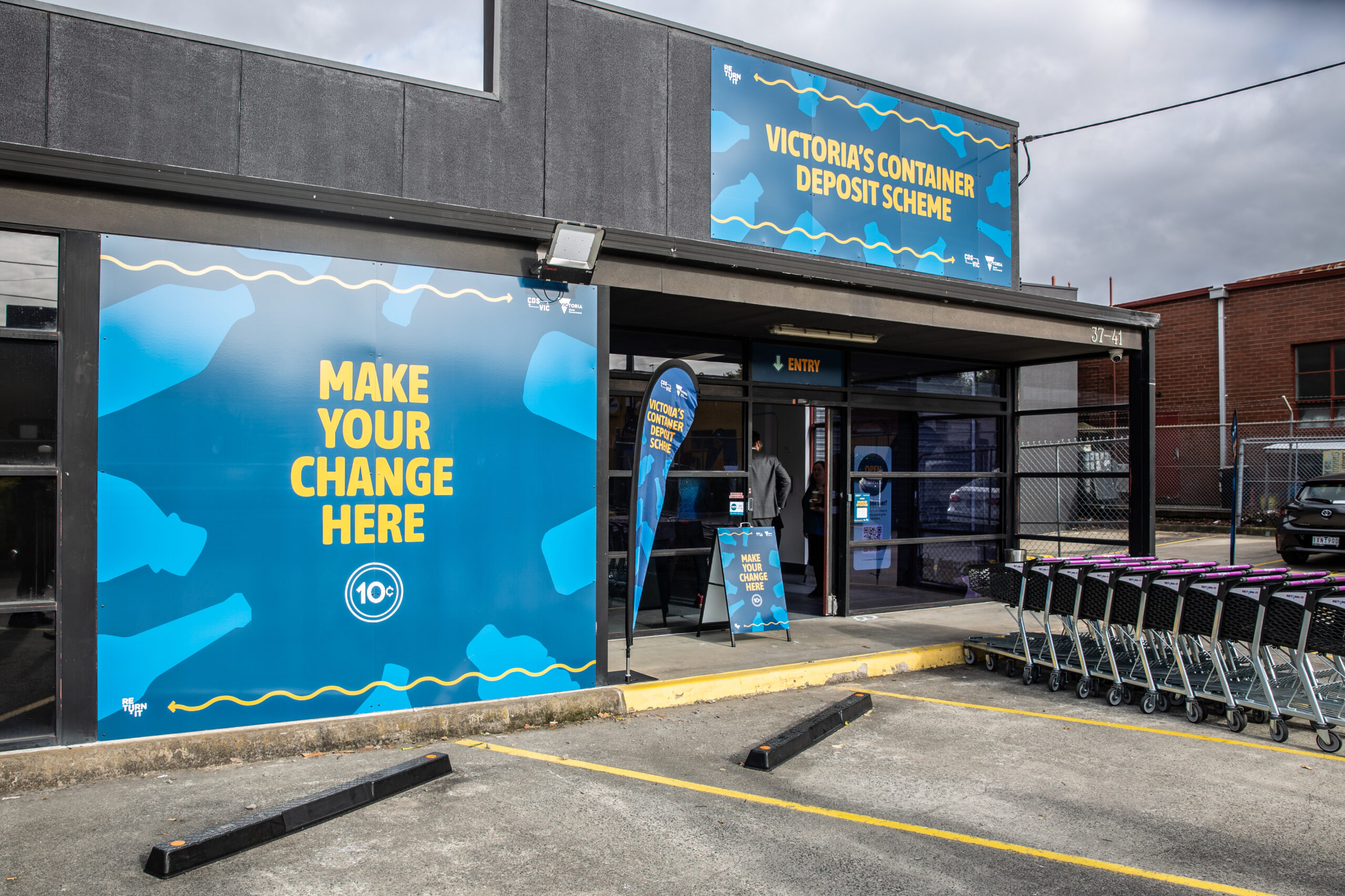
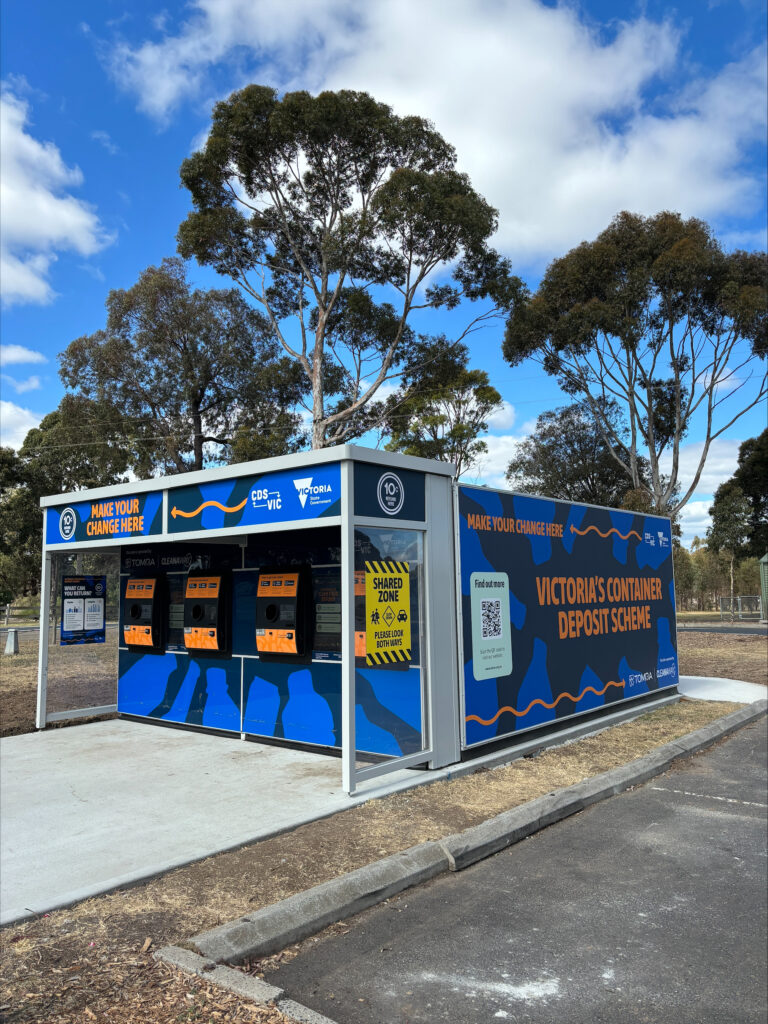
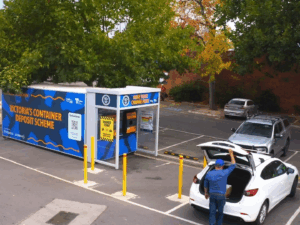
New refund points have been introduced to improve accessibility across metropolitan, regional, and remote areas. This expansion ensures more Victorians can take part in the scheme.
Expanding Refund Points
New refund points have been introduced to improve accessibility across metropolitan, regional, and remote areas. This expansion ensures more Victorians can take part in the scheme.
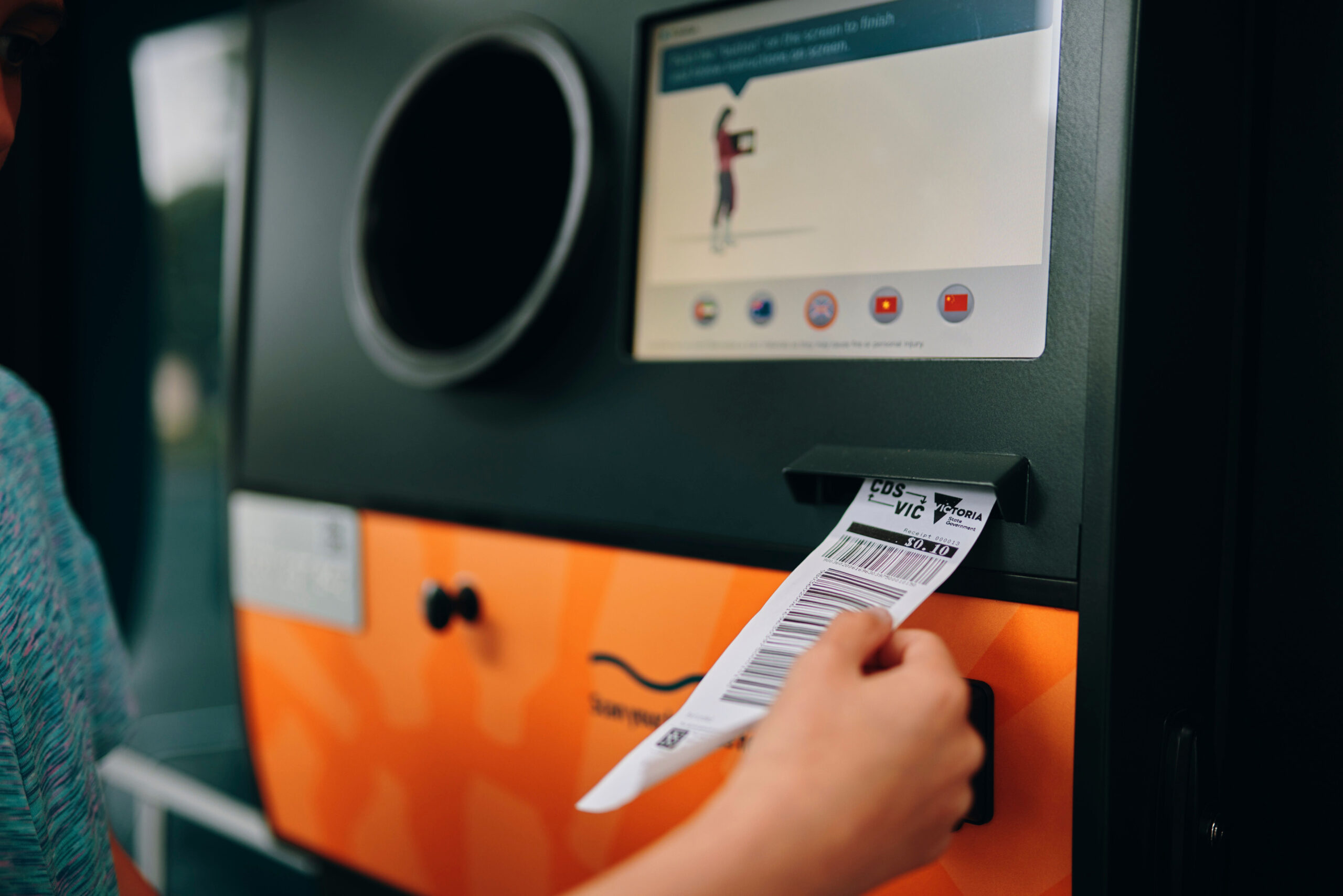
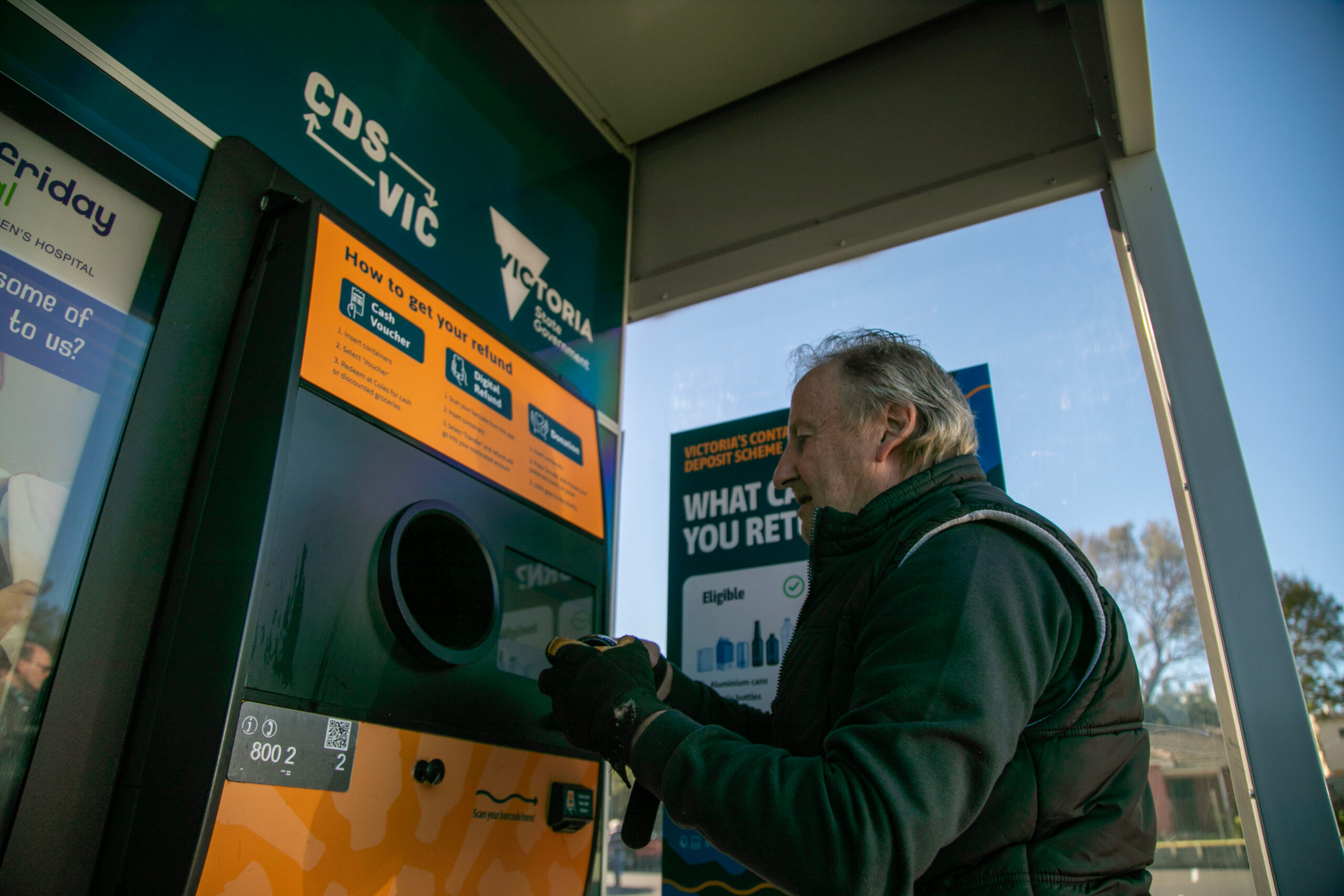
Image of a Reverse Vending Machine refund point
Supporting Circular Economy
Containers collected through the scheme are recycled into new products, reducing demand for virgin materials and creating local economic opportunities. The Container Deposit Scheme (CDS) has quickly become one of Victoria’s most effective environmental initiatives, transforming the way households, businesses, and communities think about recycling.
“The success of the Container Deposit Scheme is a testament to what can be achieved when a state comes together with a shared purpose. Every return is another step toward a cleaner, greener Victoria.”
Looking Ahead
Future plans include further site expansions, increased convenience for participants, and closer partnerships with community organisations and industry.
Driving Success
From councils to local businesses, collaborative efforts are helping ensure the scheme continues to deliver positive outcomes statewide.
Every container returned represents more than just a refund — it’s a direct contribution to reducing waste in landfill, cutting down on litter, and creating cleaner streets, parks, and waterways.
With millions of bottles and cans already processed since launch, the scheme continues to exceed expectations in both environmental impact and community participation. One of the strongest measures of the scheme’s success has been the way it has united Victorians across regional and metropolitan areas.
Environmental Wins
The reduction in litter has been significant, with cleaner parks, waterways, and public spaces across the state of Victoria.
Charities and schools are also embracing the program as a fundraising tool, turning what would otherwise be waste into direct financial support for community projects, excursions, and essential resources. This combination of environmental responsibility and local benefit has helped the scheme gain rapid momentum.
Accessibility has been a key focus, and the number of refund points continues to grow. Expansion across suburban areas and remote communities is ensuring that every Victorian has a convenient way to participate.
Education and Awareness around the scheme
CDS continues to invest in educational campaigns to inspire the next generation of recyclers and reinforce the value of container returns.
These new collection sites are designed with efficiency in mind, offering fast drop-off services and clear instructions to make container returns simple for everyone. As the network strengthens, it is creating more jobs across various sectors.
The environmental outcomes are equally significant. By keeping valuable materials in circulation, the CDS is helping to drive Victoria’s transition toward a circular economy. Aluminium, plastic, and glass collected through the program are recycled into new products, reducing the demand for virgin resources and lowering the environmental footprint of everyday packaging.
Get Involved
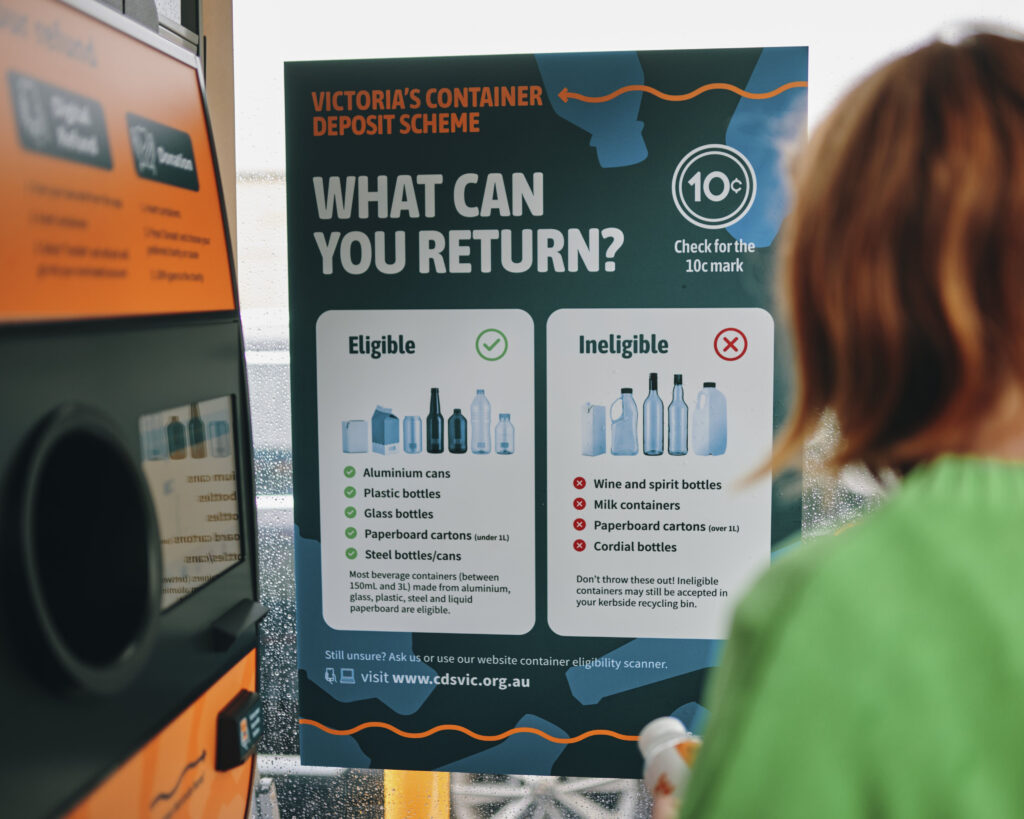
Victorians are encouraged to keep returning eligible containers at their nearest refund point and contribute to a cleaner, greener state.
This process not only conserves energy and raw materials but also ensures that recyclable waste is given a meaningful second life. Visible results are already being felt in public spaces. Reports from councils and community groups highlight a noticeable drop in litter across playgrounds, beaches, and nature reserves.
What once contributed to eyesores and environmental harm is now being channelled back into productive use. These improvements reflect the collective effort of Victorians who have embraced the scheme, proving that small, everyday actions can generate statewide change.
Related articles

Recycling Containers the Right Way: A Simple Guide to Doing It Properly
Recycling containers play a crucial role in reducing household waste, but many people still aren’t sure what should go where. In this week’s post, we break down the most common container types—glass, plastic, and metal—and explain how to prepare each one for recycling so it actually gets reused instead of ending up in landfill.
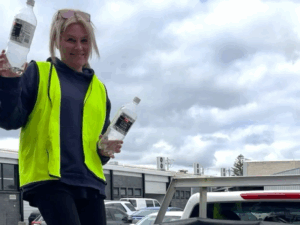
$70 of containers a week, collected on the road
“When I’m driving around for work, if I see someone throw a can in a bin, I say, can you throw it at me?”
Your recycling questions, answered
Top Carlton players team up with CDS Vic Together, we’re building a circular economy CDS Vic is part of the