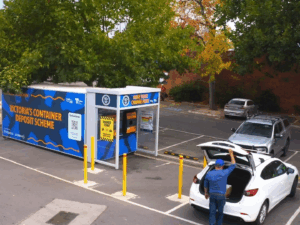


Recycling Containers the Right Way: A Simple Guide to Doing It Properly

Recycling containers play a crucial role in reducing household waste, but many people still aren’t sure what should go where. In this week’s post, we break down the most common container types—glass, plastic, and metal—and explain how to prepare each one for recycling so it actually gets reused instead of ending up in landfill.

Editor Info

If your article includes a video, screenshot a frame from the video and upload it as the Featured Image. The Featured Image will not appear on the article page, but it will display on news cards and other article listings throughout the site.
(Videos are not supported in news cards.)

This message will self destruct in 5 seconds.

(not really, but you can safely ignore or delete it and publish your article, it will not appear in the published version)

Recycling containers is one of the simplest ways households can reduce their environmental footprint, yet the process is often misunderstood. Many people toss items into the bin without checking whether they’re actually recyclable or whether they need preparation first. When containers go in dirty or mixed with the wrong materials, they can contaminate whole batches of recycling, sending entire loads to landfill.

The first step is understanding the major container types and how each should be handled. Glass jars and bottles should be rinsed and have lids removed, as the lids are often made from different materials. Plastic containers need a quick wash and should be checked for resin codes—numbers that indicate whether they’re accepted in your local program. Metal cans, such as those used for beans or tomatoes, only need a light rinse and can be flattened to save space. Taking a few seconds to prep each item increases your chances of it being successfully recycled.

Finally, consistency matters. Setting up a small system at home—like a dedicated rinsing spot near the sink and clear labels on indoor bins—can make the whole routine easier. Recycling isn’t just about putting things in the right container; it’s about ensuring those items can be effectively processed and reintroduced into the manufacturing cycle. When done properly, container recycling keeps materials in use longer, reduces demand for new resources, and helps cut the volume of waste heading to landfill.

Related articles

Leave a Reply

Your email address will not be published. Required fields are marked *